
Algorithm Driven Logistics
Macro Meals · CTO, profitable in year one
Case Study
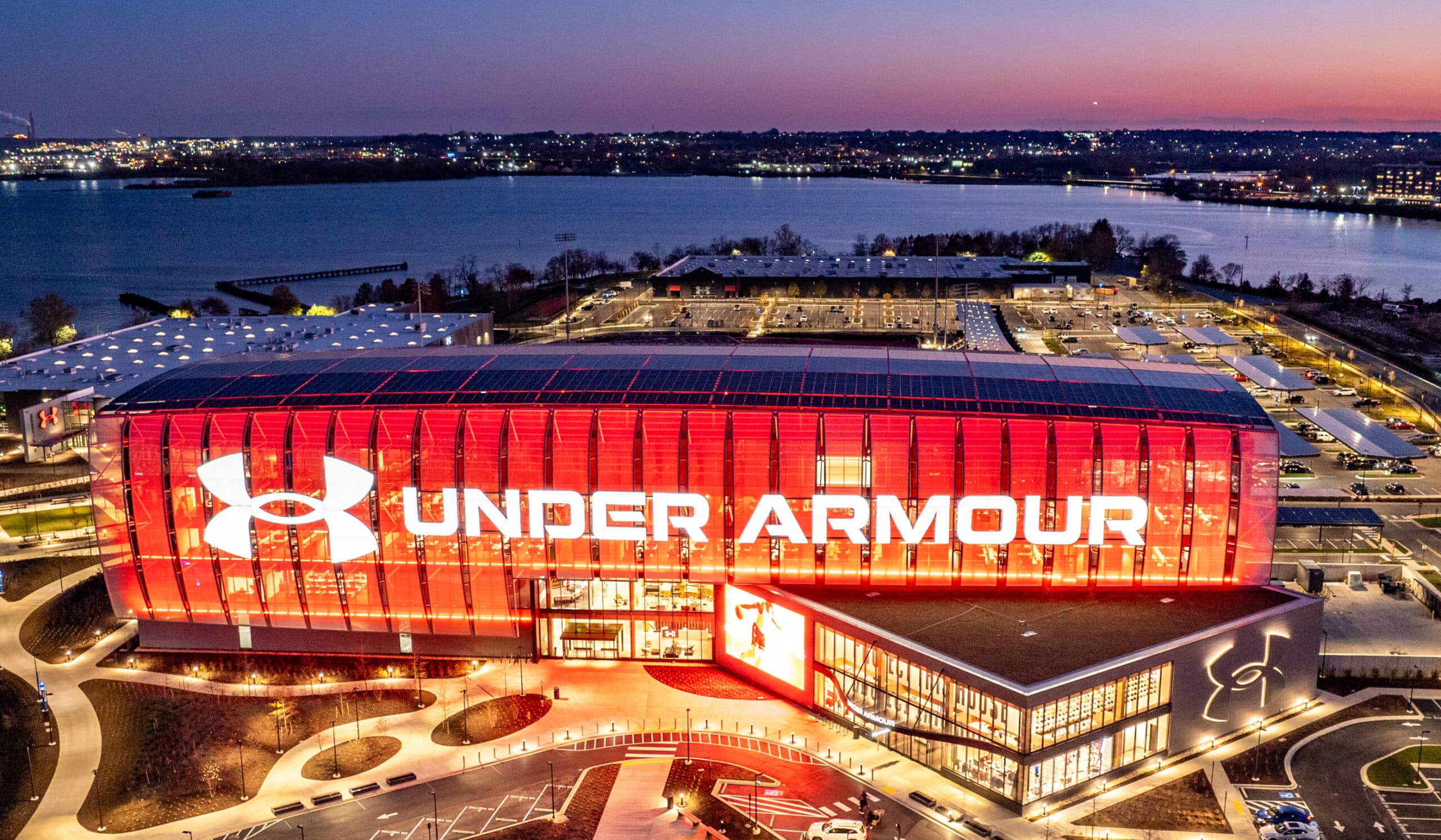
B2B support tooling on a polyglot platform
Under Armour's B2B arm runs on a serious platform — Scala services, Kubernetes clusters, Terraform everything. When support teams needed to manage orders, process returns, and handle escalations, the legacy tooling made them tab between systems while a customer waited on the line. Support reps were waiting on pages the business couldn't wait for.
I joined the React side of the fix: a headless, Apollo/GraphQL-powered portal where the real work was cutting the clicks and steps out of every support workflow. Along the way I built a localization system serving translated content across 20+ languages, and a component architecture that outlived my tenure.
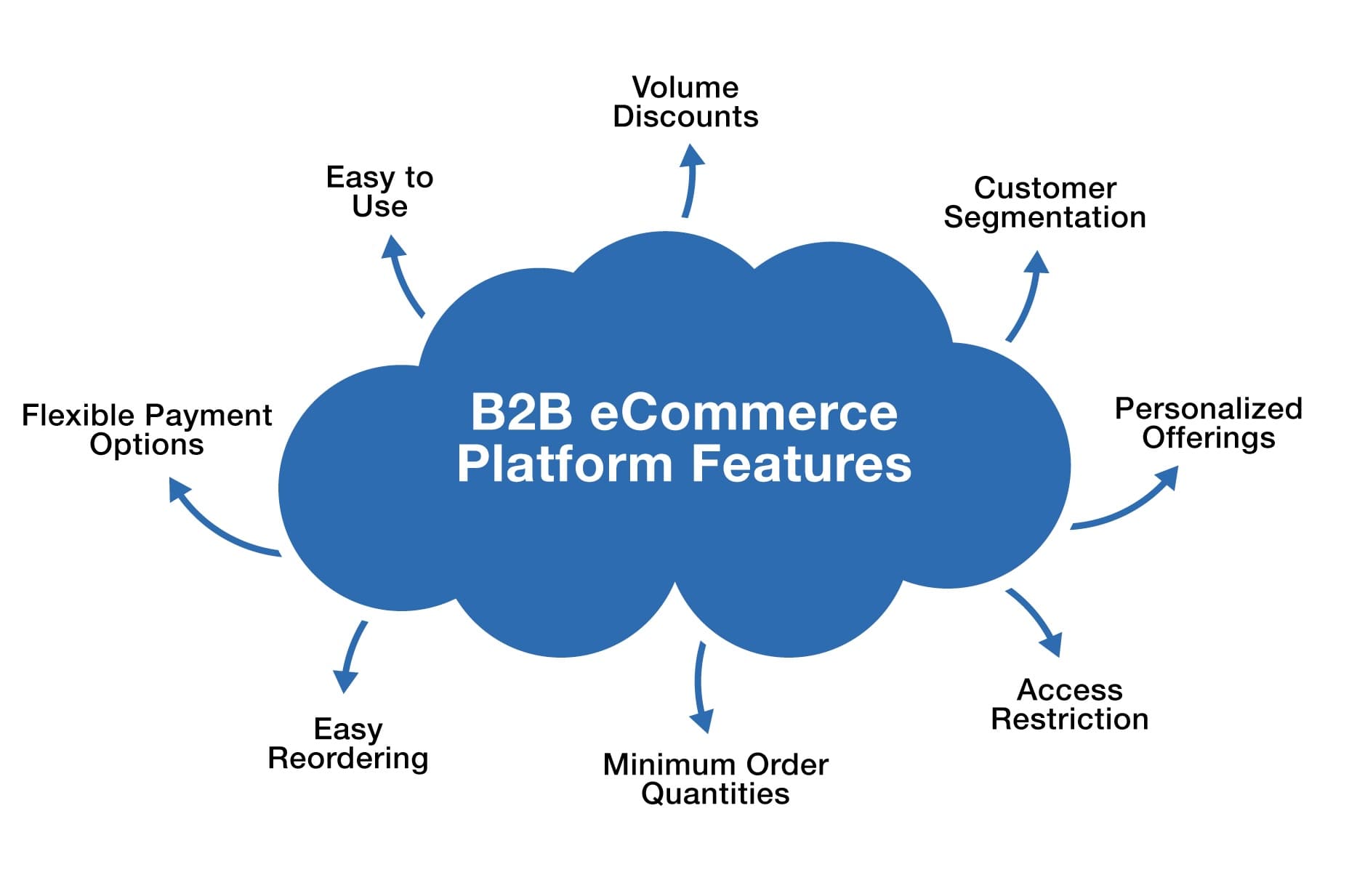

The commerce graph had everything — orders, inventory, customers, returns, shipments — but support tools were stitched together against legacy REST endpoints that assumed a shopper, not an agent. Latency was fine for a product page and brutal for a ticket queue.
Reps needed the full order context — the order, its line items, shipment status, return history, the customer record — and they were assembling it by hand, tabbing between systems mid-call. The headless Apollo/GraphQL layer put that data within reach; my job on the React side was cutting the number of steps it took to surface it. No grand architecture story — just the order context, on one screen, in fewer moves.
The polyglot stack underneath — Scala services, PostgreSQL, Kubernetes, Terraform — didn't need to change. The GraphQL layer was the translation.
The portal itself was deliberately boring. Support teams don't want cleverness; they want the right data in the right place, and they want it now. We mapped the three workflows that ate most of their day, and my job in each one was the same discipline: count the clicks, cut the clicks.
The win we could measure was ticket resolution time: 35% faster, driven by fewer tab switches and fewer round trips. The win we couldn't measure was morale. Reps who'd been apologizing to customers for software stopped apologizing.
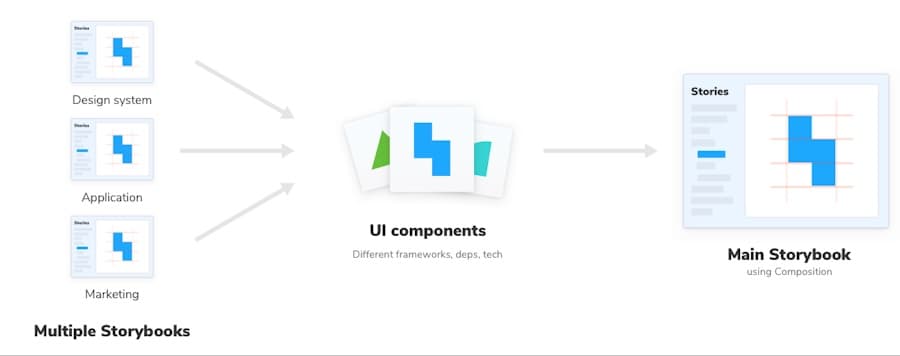
I was at UA for eleven months. The goal was never to ship my components — it was to ship the patterns the next engineer would copy. Two things carried the most weight:
When I left, feature rollouts were faster because the next person didn't have to relitigate how a form behaves or what a modal header looks like. That's the part of the job that's invisible until you miss it.
Two lessons from UA that I've carried into every role since.
Macro Meals · CTO, profitable in year one