From Thesis to Draft Night
Founder · thesis turned production platform · built 100% with Claude
Case Study
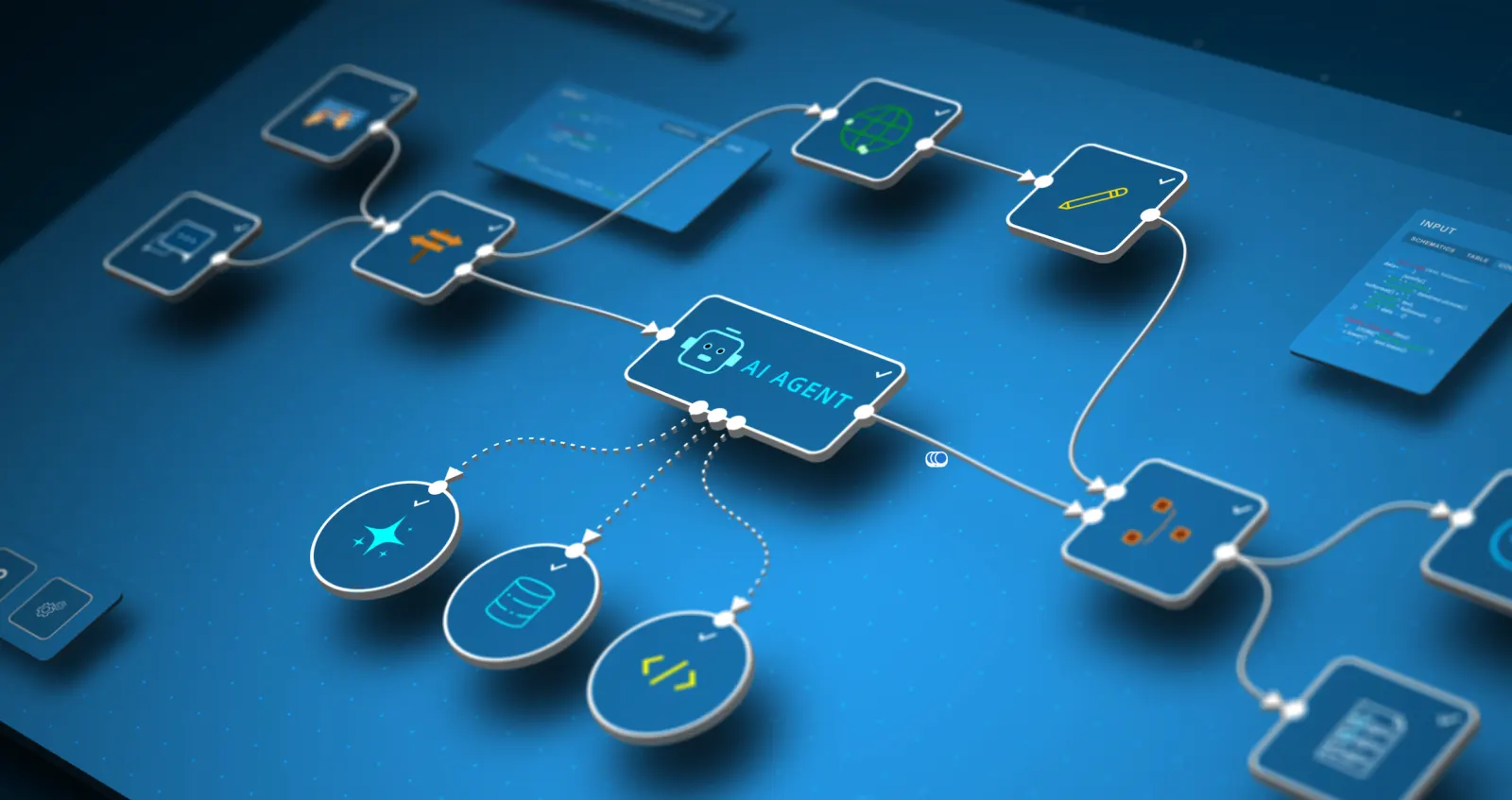
These are the agents that act while a user watches. A grounded search answers questions across roughly 100 umd.edu sites, every claim carrying the page it came from — proven in a limited pilot, now an internal tool. An ingestion agent turns a single URL into draft-grid entries. A triage agent routes incoming work and drafts its assessment. Content agents write alt text and copy inside the publishing pipeline. And a set of Claude-authored n8n workflows handles the recurring work around them.
They all live in the product path, where a wrong answer reaches a person directly — so the discipline is different from building software. The question is trust: what stops an agent from inventing, what makes a claim traceable, and who catches the failure that matters. The answers are below, one agent at a time — including the honest one, where a tool worked and the economics didn't.
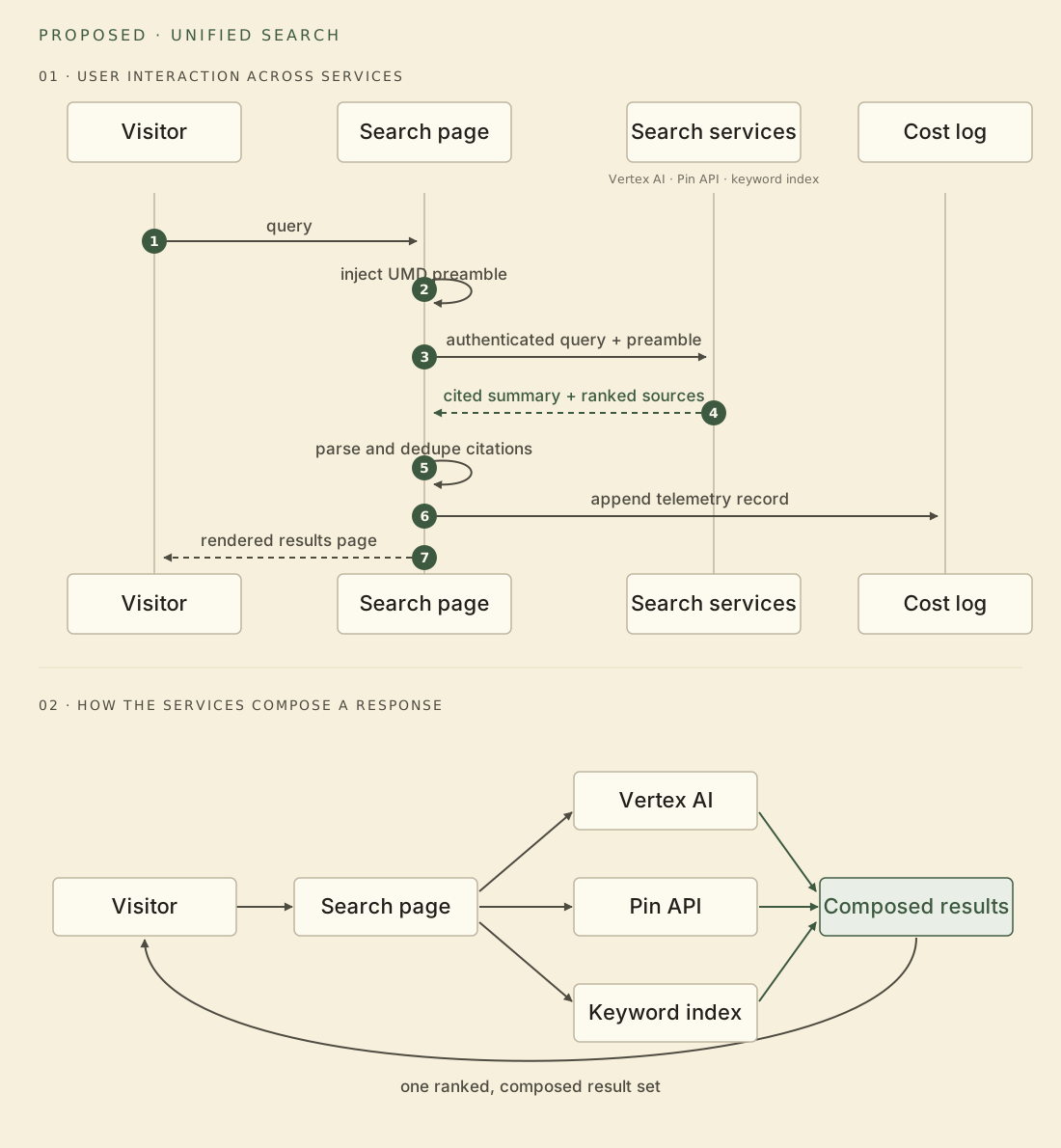
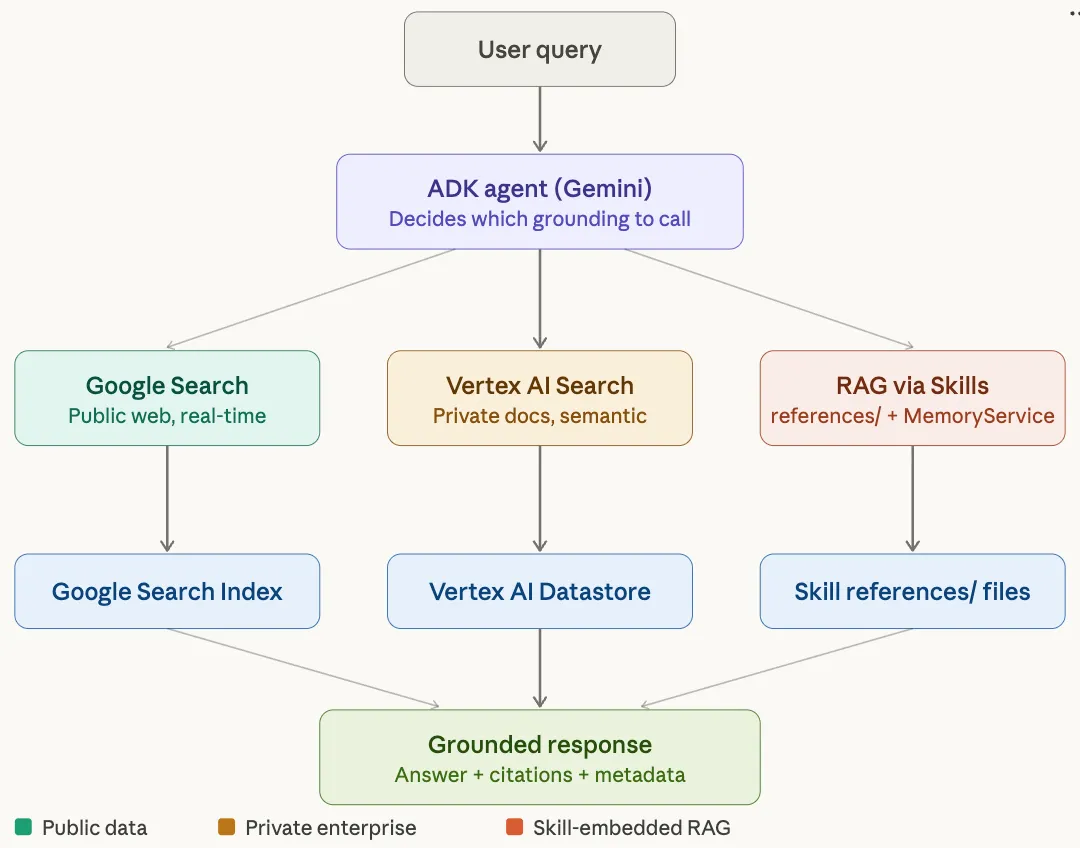
The University of Maryland's grounded search answers questions across a Vertex-indexed corpus of roughly 100 umd.edu sites — and every answer carries the pages it came from. Grounding is the guardrail: no source, no claim. The public can't try it anymore, so the specifics matter. Here is what a query goes through.
The limited pilot worked — well enough that usage climbed and the bill climbed with it. What started near $200 a month grew fast with popularity, and when significant State of Maryland budget cuts hit the university, the tool moved to internal use. Same architecture, smaller audience — and a cost log that made the call an informed one.
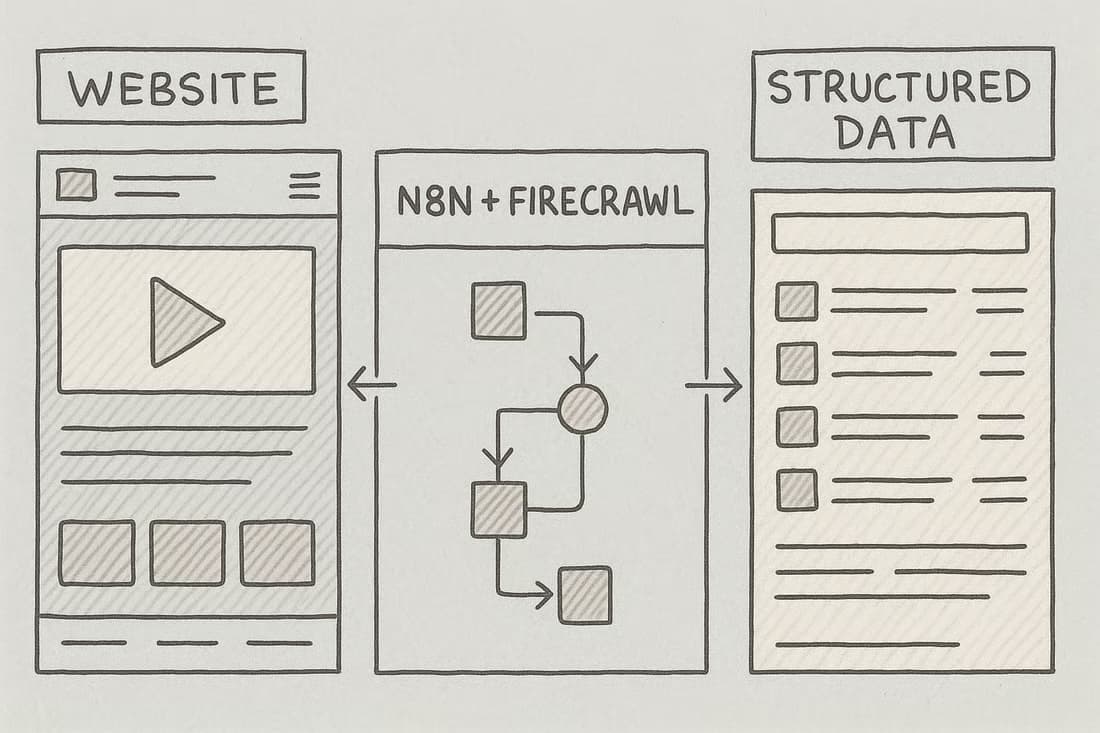
Draft Slot's ingestion agent takes a single URL, fetches the rendered page through Firecrawl, and parses it into structured entries — team, player, and position — placed onto the draft grid.
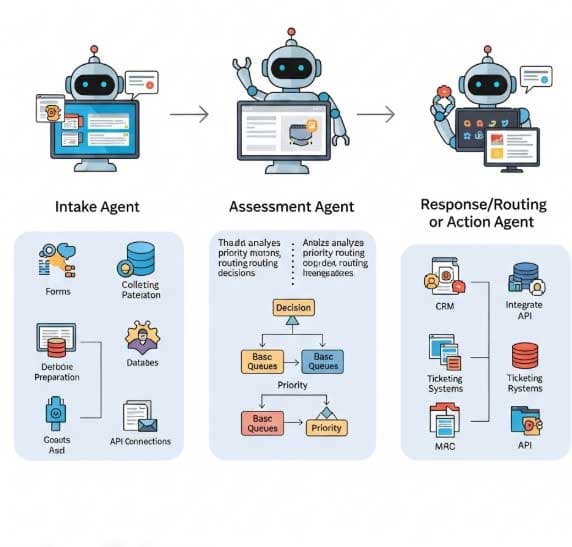
Incoming requests meet a workflow agent before they meet a person. It parses each request, routes it into Linear, and drafts a value and roadmap-impact assessment for human triage.
Alt-text and marketing-copy agents ship inside the platform pipeline, built on Google's Python Agent Development Kit. They generate at the point of publishing — and what they produce clears review like any other content.
Not every production automation needs to be an agent. A set of n8n workflows handles the recurring work around the platforms — authored with Claude, checked into git, and pushed to n8n like any other code. Some run on work infrastructure, some at home; the survey matters more than the weeds.
It is the same discipline at smaller scale. The workflows live in version control, Claude writes them against a reviewable definition, and a human review sits ahead of any send that matters.
An agent that builds software has a reviewer — me. An agent in production answers a user directly, with no one standing between its output and their screen. That single difference changes the whole discipline.
So these agents are built around their failure modes: grounded so they can't invent, sourced so every claim is traceable, and gated by a human wherever being wrong has a real cost. Velocity matters — but in the product path, trust is the product.
The discipline extends past launch. The grounded search did its job and the economics still said no — so it runs inside the institution instead of being defended in public. Judgment about what to keep, contain, or kill is as much a part of production agents as the build.
Founder · thesis turned production platform · built 100% with Claude